
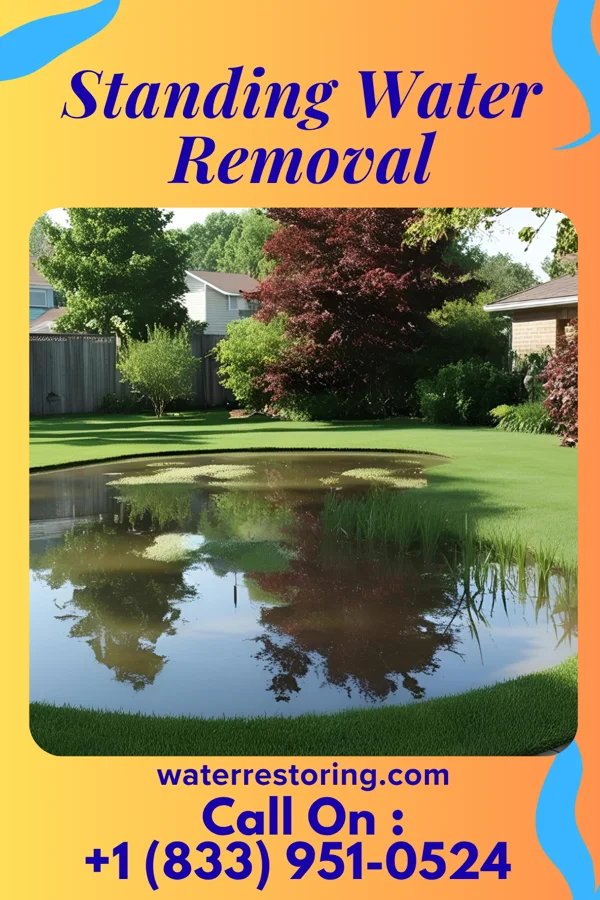
Standing Water & Insurance in Crumpler
In Crumpler, West Virginia, primary water damage causes often stem from burst pipes in older homes, heavy rainfall leading to basement flooding, and seepage from nearby streams due to the area's hilly terrain. The rural setting means that many properties lack modern drainage systems, increasing the risk of water intrusion during storm events. is the trigger behind most standing water removal claims in Crumpler. A close second is Secondary causes include malfunctioning sump pumps, groundwater seepage into basements, and water damage from agricultural runoff in surrounding farmlands. In winter, frozen pipes and thawing ground can also contribute to unexpected water damage incidents.. Most homeowner insurance policies cover sudden, accidental water damage. What separates a clean claim from a stuck one is fast professional response with documentation an adjuster can actually use.
Crumpler experiences a humid continental climate with significant rainfall in the spring and summer, leading to frequent flooding. The area is also prone to flash floods due to its elevation and proximity to mountainous regions, which can quickly overwhelm local infrastructure.
Most standing water removal calls in Crumpler come from In Crumpler, West Virginia, primary water damage causes often stem from burst pipes in older homes, heavy rainfall leading to basement flooding, and seepage from nearby streams due to the area's hilly terrain. The rural setting means that many properties lack modern drainage systems, increasing the risk of water intrusion during storm events.. Running a close second is Secondary causes include malfunctioning sump pumps, groundwater seepage into basements, and water damage from agricultural runoff in surrounding farmlands. In winter, frozen pipes and thawing ground can also contribute to unexpected water damage incidents.. Local mold risk: Mold growth in Crumpler can occur rapidly due to the high humidity and frequent rain, making prompt water damage response critical. Mold can spread quickly in rural homes with poor ventilation, especially in basements and crawl spaces.
For public guidance on the health effects of mold after prolonged water exposure, see the EPA mold and health page.